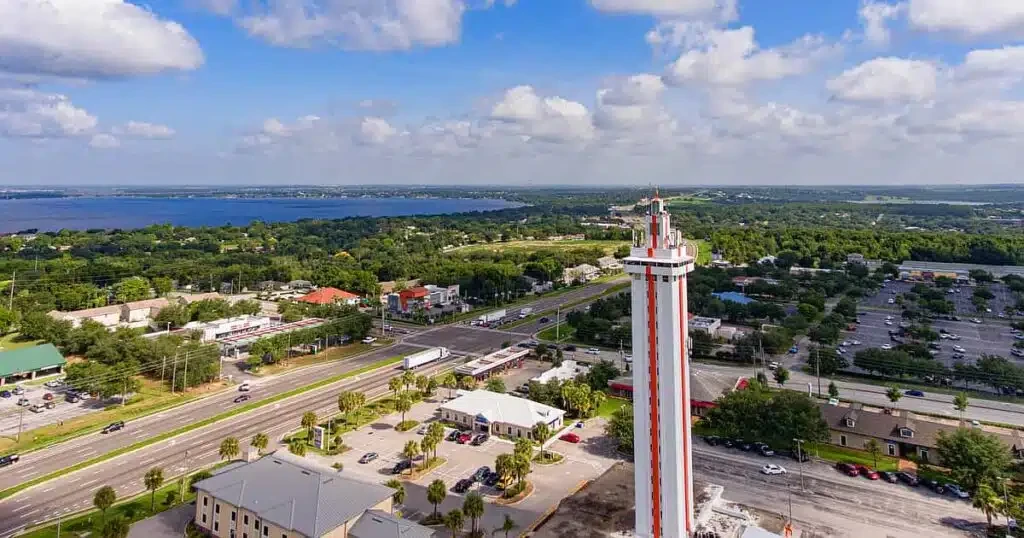
Kissimmee
Discover the history of the city where Disney™ parks and resorts are located.
"One of the best-known cities among Brazilians, it's also home to Mickey and that's where many of the vacation communities are. It's an area that also offers residential areas like Celebration, plus countless tourist attractions. Today it's full of shops, commerce, restaurants and where we see tourists from all over the world, year-round." — Andrea Pointon.
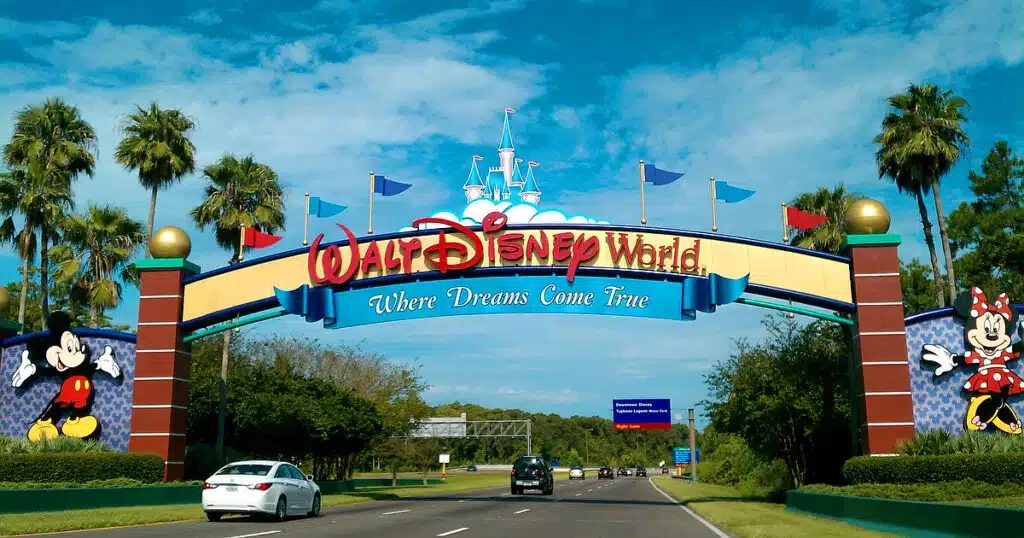
Kissimmee is one of the most vibrant cities in central Florida, known worldwide as the gateway to Walt Disney World theme parks. Strategically located south of Orlando, the city offers a unique mix of world-class tourist attractions and welcoming residential communities.
The city has become one of the main markets for vacation homes (short-term rental) in the region, attracting investors from around the world. With a diverse and constantly growing population, Kissimmee offers extensive commercial infrastructure, varied restaurants, shopping malls and services that serve both residents and international tourists.
Beyond tourism, the city has excellent residential community options, well-planned family areas and easy access to the region's main highways. The proximity to Celebration, the area's lakes and the sunny climate year-round make Kissimmee a premier destination for those seeking quality of life in central Florida.
History of Kissimmee
Local historians have offered many variations regarding the origin of the city's name. Most agree that Kissimmee is a modern spelling of a tribal word. The book Florida Indians and the Invasion from Europe by Jerald T. Milanich links "Kissimmee" to a Jororo village, one of Florida's lesser-known tribes.
Historian John Hann researched Spanish documents about missions established to convert the Jororo and other groups to Christianity in the late 17th century. Spanish records indicate a mission was built near the tribe's main village, also called Jororo.
Another mission was called Atissimi. Milanich writes: "Hann suggests that the name Atissimi, sometimes given as Jizimi and Tisimi, may be the source of the modern place name Kissimmee." A 1752 Spanish map used the name "Cacema," which evolved into the current spelling of Kissimmee.
1700s
The 1700s brought new people to Florida and saw its ancient tribes plunge into history. Creeks from the southeast joined forces with Africans fleeing slavery. European dominion — first by the Spanish, followed by the British and then the Americans — erased the last native villages of Florida. The new tribes, which would later include the young "chief" Osceola, moved into the interior of Florida seeking refuge. The land of pines, cypress and palmettos between the St. John and Kissimmee rivers provided a safe haven. This mosquito paradise remained the remote homeland of the Seminoles during the 18th century.
- 1728— Spain ended slavery in Florida after African soldiers joined the Spanish to expel the British
- 1763— The British took control of Florida
- 1776— Thirteen of the American colonies rebelled against the British crown, declaring their independence in July 1776. However, the Florida colony remained loyal to the British, who protected the frontier
- 1779— A year after joining France in declaring war against Great Britain in 1779, Spain captured Pensacola and took control of West Florida
- 1783— Spain took possession of Florida and the Louisiana territory at the end of the Revolutionary War
1800s
The town of Kissimmee was originally a small trading post on the northern shore of Lake Tohopekaliga, known as the community of Allendale. After the Civil War, this area was included in the purchase of four million acres of swampland and plains by Hamilton Disston, owner of the Disston Saw Company in Philadelphia. The land sale price totaled US$1 million, at 25 cents per acre! The infusion of US$1 million to the state of Florida supposedly rescued the state from financial disaster. In January 1881, Disston contracted to drain the area and deepen the Kissimmee River so products could be shipped to the Gulf of Mexico and other points. Many steamboat captains navigated the chain of lakes from Kissimmee to the Gulf with cargos of cypress lumber and sugarcane.
- 1845— Florida is granted statehood
- 1873— The first Kissimmee post office is established near Shingle Creek. The first postmaster was Clement R. Tyner
- 1882— Florida, the first newspaper in Kissimmee was published. A one-room school opened on Main Street and the First United Methodist Church opened its doors
- 1883— Thirty-three of the 36 registered voters voted to incorporate Allendale as the city of Kissimmee. The first elected mayor was T.A. Bass
- 1884— W.B. Makinson, Sr. opens Makinson Hardware in downtown Kissimmee, which remains the oldest hardware store in Florida
- 1895— A disastrous freeze led many families to move south. Hamilton Disston's land company interrupted bonus payments and returned to Philadelphia
1900s
In 1920, Kissimmee's population increased to over 2,700 people as a result of the Florida land boom. In the 1930s, the cattle industry began to flourish in the area. However, citrus and other crops remained the predominant industry. The construction of the Kissimmee airport in the 1940s by the US Army Corps of Engineers, in preparation for US involvement in World War II, caused Kissimmee's population to increase by 38%, to 3,700 residents. City leaders wanting to continue Kissimmee's prosperous history encouraged growth by attracting retirees to the area during the 1950s. This effort stimulated growth by nearly 60%. The next period of growth came in the 1970s with the development of Walt Disney World and other tourist attractions. Since Walt Disney World's debut in 1971, the city's population doubled from 7,500 to 15,000 in 1980. The population doubled again in the 1980s to 30,000.
- 1900— Electricity arrives in Kissimmee. Initial rates were 3 cents per night or US$7.50 per month
- 1908— A July 4th celebration was planned to welcome residents of the new city of St. Cloud. The owner of a new flying school in Kissimmee planned his first flight to highlight the occasion. On takeoff, the plane hit a cow and was destroyed, resulting in the drafting of an air boarding decree
- 1915— Osceola High School plays its first football game, beating Orlando High School 6-0
- 1924— The Kissimmee Chamber of Commerce is licensed
- 1934— The Cattlemen's Association is established in Kissimmee
- 1943— Construction of the States Monument is completed
- 1944— The first Silver Spurs Rodeo is held on July 4th. Admission is the purchase of a war bond
- 1956— Record rainfall brings flooding and US$2 million in damage to Kissimmee